Born in Kakinada in 1916, he spent a working life laying out runways and cutting roads through hill country — infrastructure that outlived the files it was drawn on.
Before there were airfields, there was a cantonment. Naraseyya Rao's sense of order and duty was set by the household he was born into.
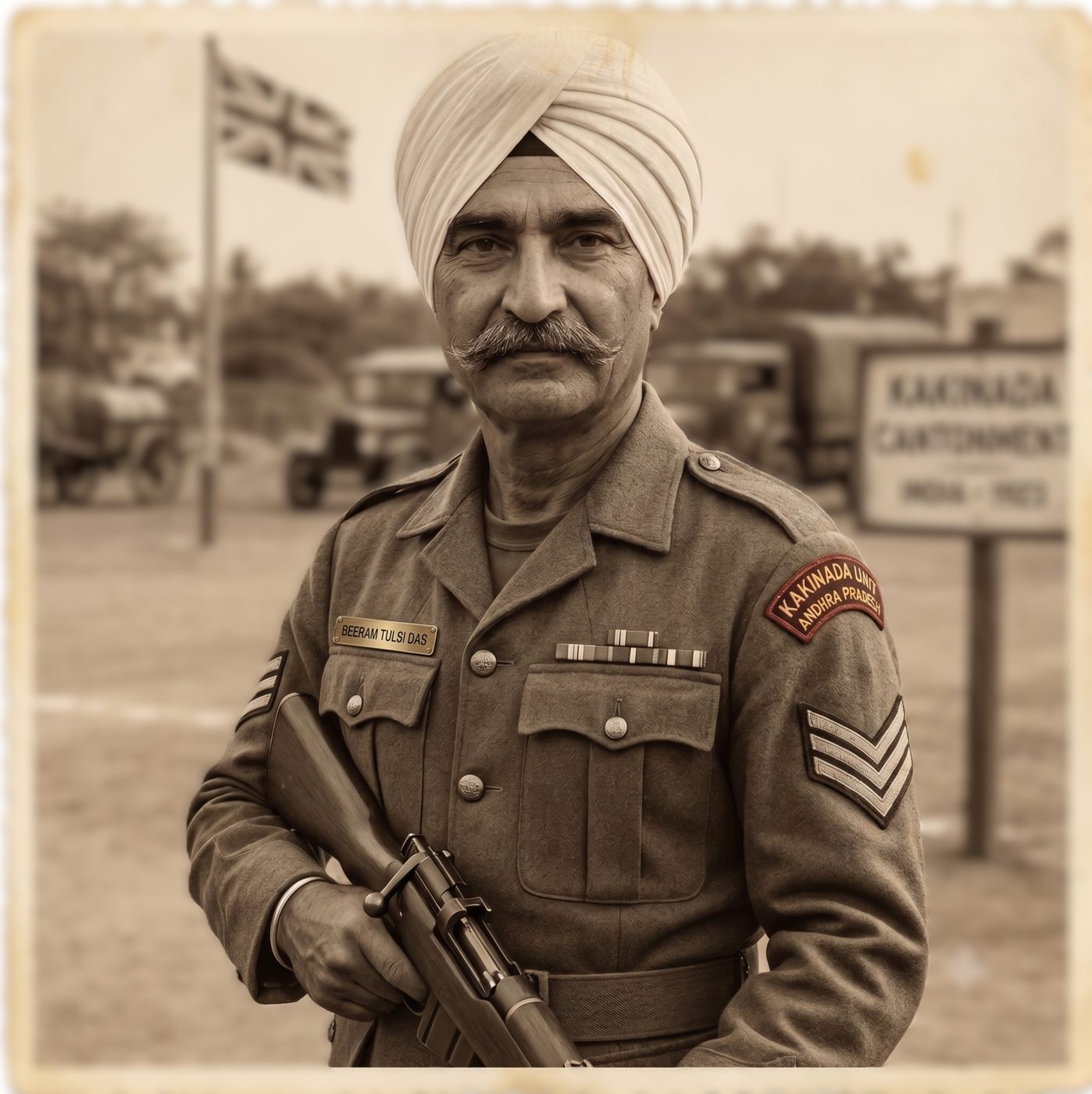
Naraseyya Rao was the eldest son of Beeram Tulsi Das, who served with the British Indian Army's Kakinada Unit in Andhra Pradesh, and Smt. Tarunamma. It was a household shaped by service and discipline — a starting point that would carry through into his own working life, only on building sites and survey lines instead of a parade ground.
As the eldest son, Naraseyya Rao carried the weight of expectation early. The precision his father's uniform demanded of a soldier would later show up differently — in drawings, levels, and gradients — in a son who chose to build rather than to guard.
Laid out the way a survey drawing reads a landscape — as a single traverse line, with each project marked as a station along the route.
Born 23 February to Beeram Tulsi Das and Smt. Tarunamma, eldest son of a Kakinada Unit army household.
A Royal Air Force wartime airstrip, briefly reopened for civil use in 1962, then relaunched for scheduled flights in 1976 under a modern build.
The original airfield and terminal building at what became Odisha's principal airport were established this year.
The airport at Mana, outside Raipur, opened — now the busiest airport in the state of Chhattisgarh.
As passed down in family memory, alongside the recorded public history of each site.
The airfield at Visakhapatnam began life during the Second World War, built for the Royal Air Force. It fell out of use once the war ended, was briefly reopened for civil operations in 1962, and then closed again for want of passengers. Regular commercial flights did not return until 1976, by which time the airport needed to be rebuilt for a different, modern era of flying — under a young leadership that family history places with Naraseyya Rao as planning engineer on the project.
General airport history verified from public records; his personal role is recorded here as family history.
What is now Odisha's principal airport was established as an airfield with an original terminal building in 1962 — the state's first commercial airport. Family history holds that this early establishment work was among Naraseyya Rao's projects, ahead of his later work at Raipur.
General airport history verified from public records; his personal role is recorded here as family history.
The airport at Mana, roughly 15 km from Raipur — today's Swami Vivekananda International Airport, the busiest airport in Chhattisgarh — opened in 1975. Family history remembers this as the project where Naraseyya Rao's planning work came together most completely, following his earlier experience at Visakhapatnam and Bhubaneswar.
General airport history verified from public records; his personal role is recorded here as family history.
Away from airfields, his final recorded project was a ghat road — a mountain road cut through hill terrain — connecting the remote village of Ampani, on the border of the Kalahandi and Nabarangpur districts of Odisha, to the world beyond it. Where the airport work connected cities to the sky, this last project connected a village that had none of that visibility to the road network at all.
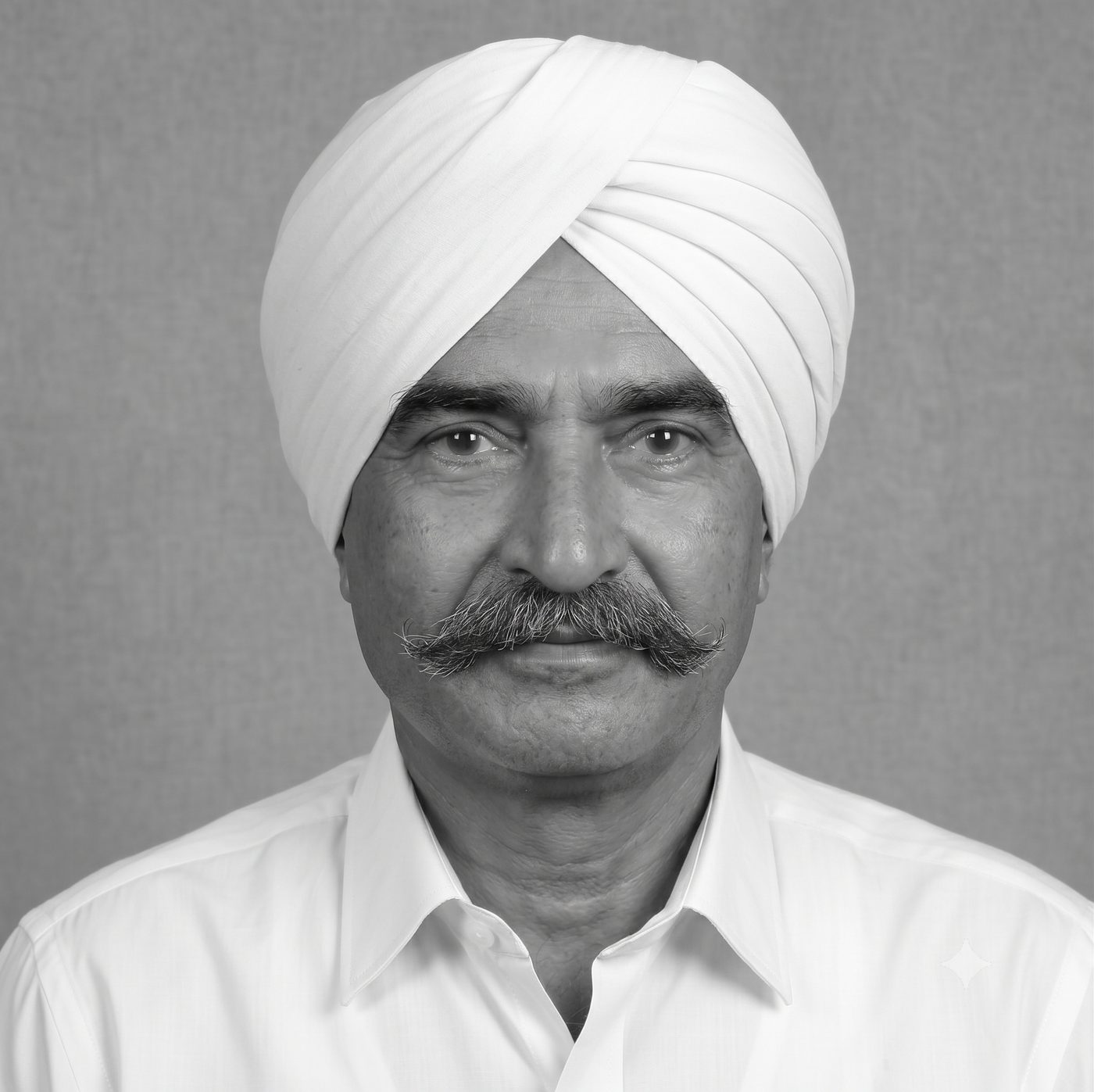
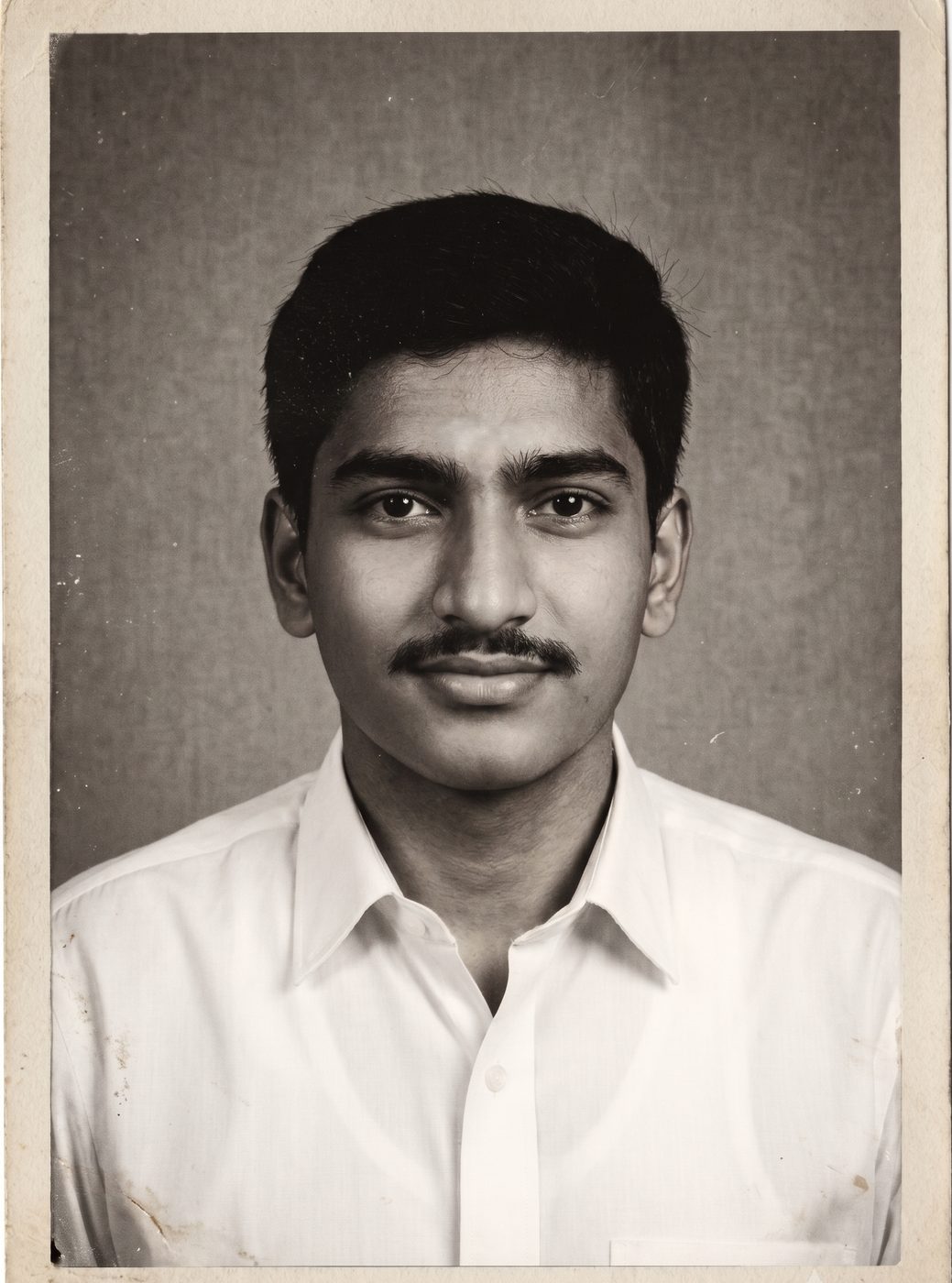
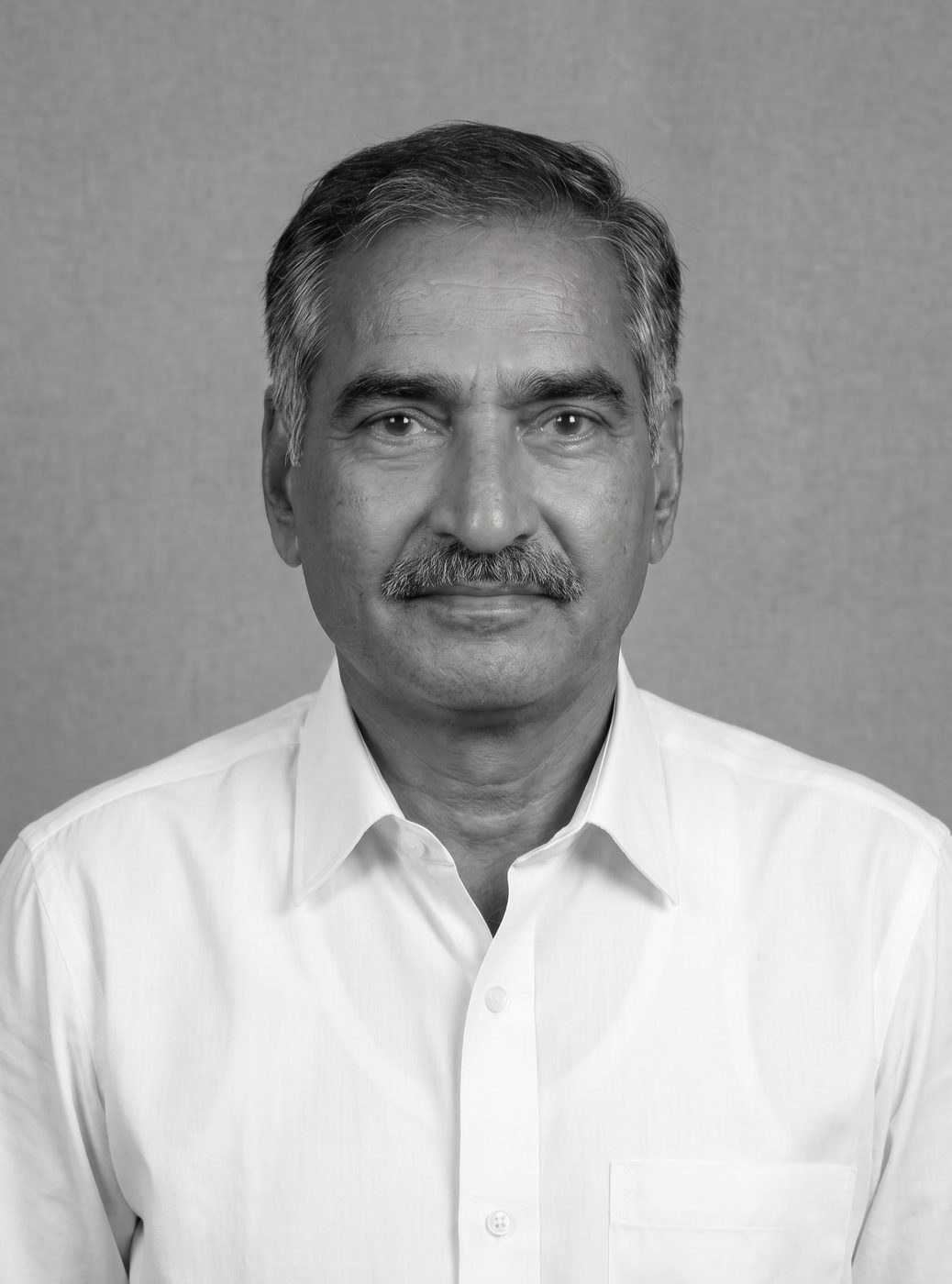
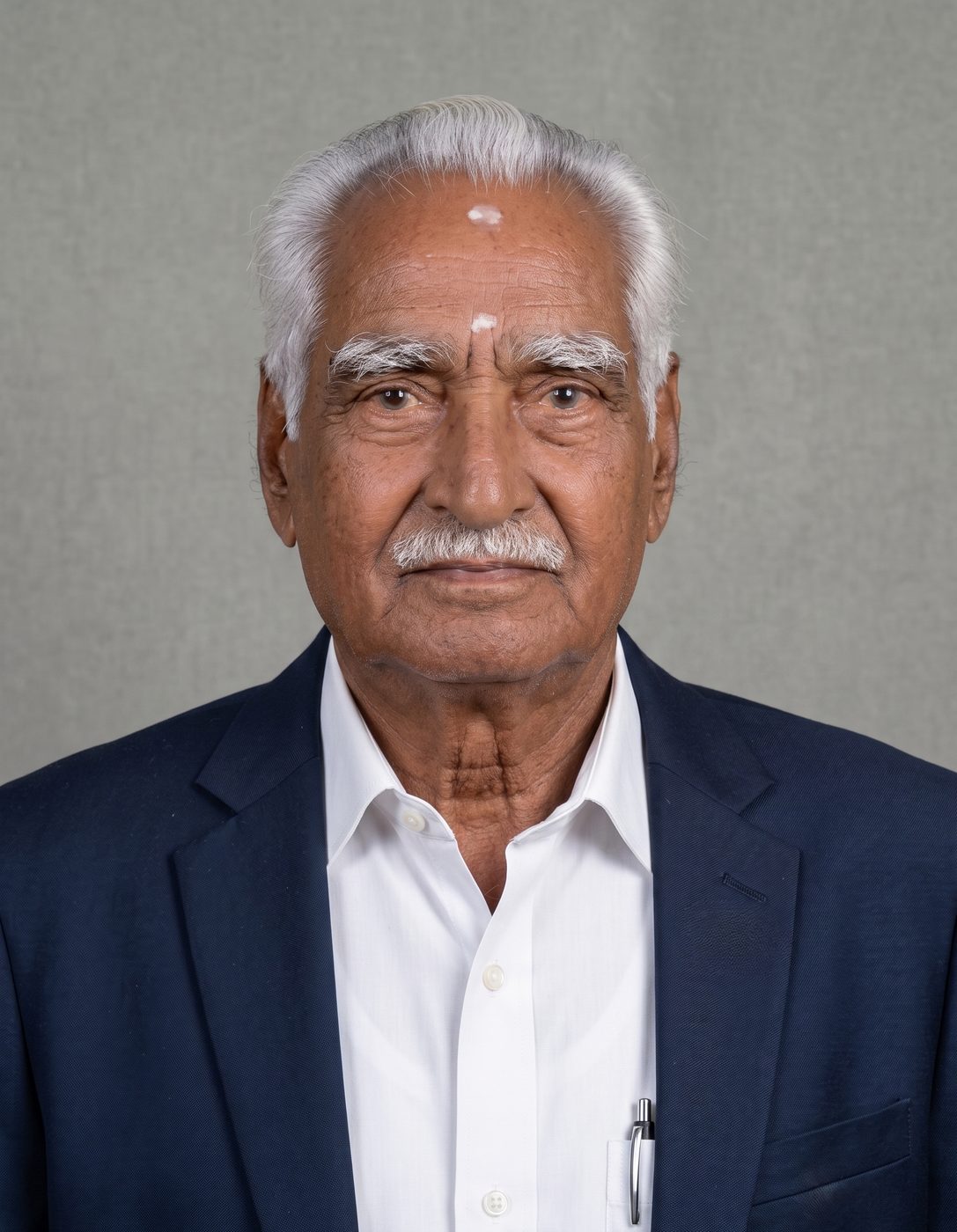
Three photographs, three decades apart.
Before the airfields — a portrait from the start of his working life.
The years spanning his three airport projects.
Photographed in the years after Ampani, his final project.
A place for the paper trail — service records, inauguration reports, retirement notices. Empty for now; each frame is ready to hold a scanned or photographed clipping the moment one is added.
He was born in Kakinada in February 1916, the eldest son of an army household, and he spent his working life turning disused airstrips into working airports and closing the distance between remote hill villages and the roads that reach them. From Visakhapatnam to Bhubaneswar to Raipur, and finally to a ghat road for the village of Ampani on the Kalahandi–Nabarangpur border — the throughline of his career was always the same: making a place reachable that wasn't, before.
— Preserved by the Beeram family